I prefer to solve small problems. Big problems are hard.
One of my favorite thought patterns is “reduce the problem space.” It’s not groundbreaking, but I used it effectively a few weeks ago, and had a discussion with a colleague about it.
I’ve read The Complete Sherlock Holmes multiple times over the years, starting in middle school. Within those pages is this famous quote: “When you have eliminated the impossible, whatever remains, however improbable, must be the truth.”
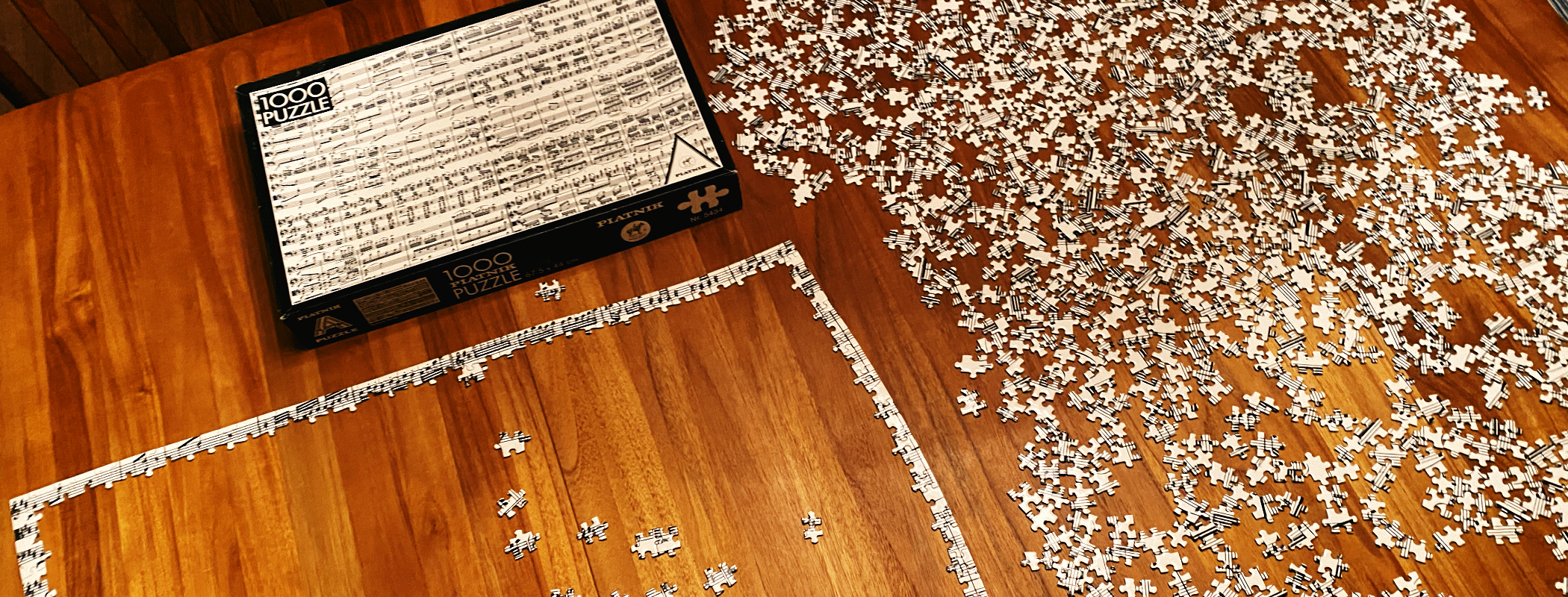
When I work on a jigsaw puzzle, I catch myself thinking in a similar way. With every piece correctly placed, my problem becomes easier. I don’t have to think about the pieces already set, only the ones that remain, and there are so many fewer now than when I started.
I’ve coached teams, individuals, and myself on reducing the problem space for many years. I can think of specific examples in these categories:
- A critical technical troubleshooting response
- A daunting security remediation project
- A massive solution deployment with timeline and resource challenges
- A tough team collaboration issue
It’s not always easy, but I’ve found that breaking big problems into smaller ones is a great way to feel progress, build confidence, and gain new insight.